Why More Testing Isn't Always the Answer — and Sometimes It Is
It feels logical: if something might be wrong, run a test. If the test is normal, run another one. If you can afford it, why not test for everything?
Because testing isn't free — and we don't mean the cost. Every test carries the possibility of a result that creates more questions than answers, more anxiety than clarity, and more procedures than were ever needed.
The opposite is also true. Undertesting is real, and some patients are genuinely harmed when important tests are skipped or delayed.
The art of medicine isn't ordering every test available. It's knowing whether a test is needed, which test to order, when to order it, and being honest about what the result will — and won't — tell us.
Sometimes the most thoughtful medical decision is not ordering another test — it is listening carefully, examining you thoroughly, and following the situation over time.
The Problem with "Just Checking"
There's a concept in medicine called pretest probability — the likelihood that you actually have a condition before the test is run. It's one of the most important — and least understood — concepts in medicine.
Here's a simplified example: Imagine a test that is 95% accurate. Sounds great. But if the condition it's testing for only occurs in 1 out of 1,000 people, and you test 1,000 people, here's what happens:
The 1 person who has the condition will almost certainly test positive. Good.
But of the 999 people who don't have it, about 50 will also test positive (5% false positive rate). Bad.
So out of 51 positive results, only 1 is real. The other 50 people now face follow-up tests, biopsies, anxiety, and potentially unnecessary treatment — all because of a test that was "95% accurate."
This is why good doctors don't test for everything. The value of a test depends on the clinical context — your symptoms, your risk factors, and your history. A test that is essential for one patient may be harmful for another.
When Testing Causes Harm
The incidental finding cascade.
Modern imaging is so detailed that it frequently reveals findings unrelated to the reason for the scan — spots, cysts, nodules — that are almost always benign but require follow-up to confirm. Each follow-up test carries its own risks, costs, and anxiety.
False reassurance. A normal test result can be misleading if it leads you to ignore symptoms that deserve attention. "My blood work was normal" does not mean "nothing is wrong." Many serious conditions — including some cancers, autoimmune diseases, and cardiac conditions — can be present with completely normal routine labs.
Overdiagnosis. Some conditions, if never detected, would never cause harm. Certain small, slow-growing thyroid cancers, low-grade prostate cancers, and tiny pulmonary nodules fall into this category. Finding them doesn't always improve health outcomes — but it often triggers additional testing, procedures, or treatment, each with its own risks and side effects.
Financial and emotional cost. Testing is expensive, and the downstream costs of follow-up can be substantial. But the emotional cost is often worse: the anxiety of an abnormal result, the waiting period before a follow-up test, the uncertainty of an "indeterminate" finding. These are real harms that are rarely discussed when a test is ordered.
When Testing Is Essential
All of that said — undertesting is also a real problem, and it can be deadly.
When symptoms warrant investigation. Unexplained weight loss, new neurological symptoms, persistent pain, changes in bowel habits, unexplained bleeding — these are situations where testing isn't optional. The risk of missing something serious far outweighs the risk of a false positive.
When screening guidelines apply. Colonoscopy, mammography, low-dose CT for lung cancer in eligible patients, cervical cancer screening — these are tests with proven mortality benefits in the right populations. Skipping them isn't conservative medicine. It means missing an opportunity to prevent or detect disease early. These are evidence-based screenings that save lives when used in the appropriate populations.
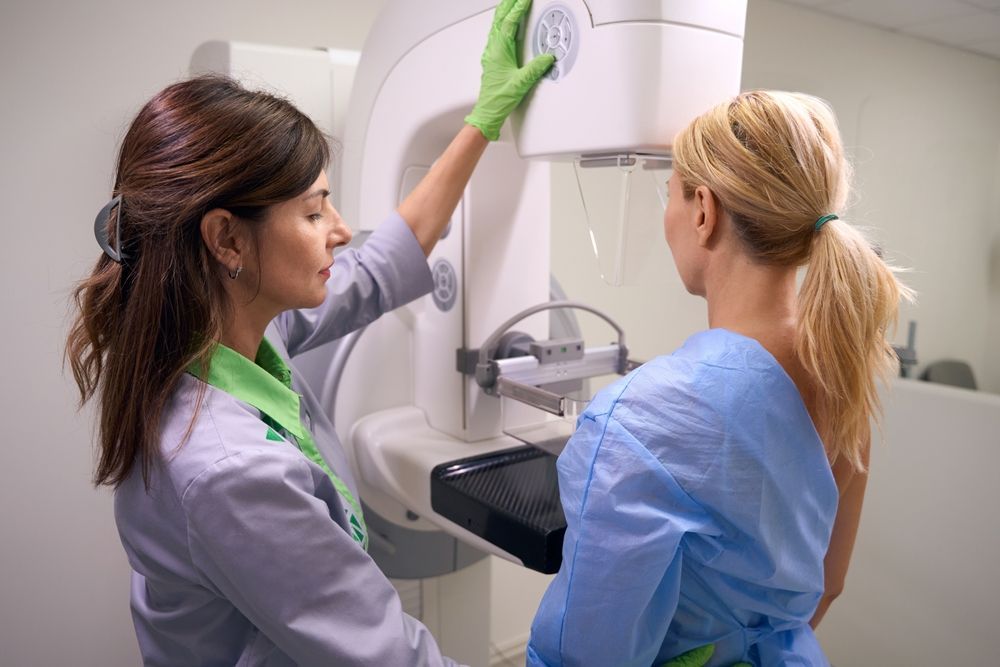
When your risk profile demands it.
A strong family history of a specific cancer, a known genetic mutation, occupational exposures, or a personal history of a precancerous condition — these change the calculus entirely. What would be overtesting in a low-risk patient becomes essential surveillance in a high-risk one.
When the result will change management.
This is the golden rule of testing: if the result won't change what we do, the test probably shouldn't be ordered. A good physician asks, before every test:
"What will I do differently based on this result?" If the answer is "nothing," the test is unlikely to help you.
How We Decide Whether to Test
In our practice, every test is ordered for a reason — and that reason is explained to you. We don't test reflexively, and we don't skip tests to save money. We apply a simple framework:
What is the clinical question?
What are we trying to answer?
What is the pretest probability?
How likely is it that you have this condition, based on everything we know about you?
Will the result change the plan?
If yes, we test. If no, we explain why testing isn't indicated — and what we'll watch for instead.
What are the risks of the test itself?
Including false positives, incidental findings, radiation exposure, procedural complications, and emotional distress.
This isn't rationing care. It's practicing medicine thoughtfully — protecting you from harm while making sure nothing important is missed.
The Right Test at The Right Time
The best doctors aren't the ones who order the most tests. They're the ones who know when testing will help, when it won't, and who take the time to explain the difference.
If you want a physician who thinks before they order, we'd like to meet you.